
Wildlife
What do I use for pasture mixes?
A good native pasture mix should start with the grazing goal. For most Midwest livestock systems, the foundation should be native warm-season grasses that provide summer forage when cool-season pastures slow down. Productive grass options include big bluestem, indiangrass, switchgrass, little bluestem, eastern gamagrass, and sideoats grama, with the exact blend depending on soil moisture, grazing intensity, livestock type, and whether the site is upland, bottomland, sandy, or heavier ground.
Native pasture works best when it is treated as a dedicated warm-season tool rather than a replacement for every pasture acre. These grasses are slower to start in spring, but they shine during hot summer weather. In a rotational system, they can give cool-season paddocks a rest during July and August while still producing useful forage. The key is patience. Do not graze a new native pasture too early. Let the stand build roots, manage weeds during establishment, and wait until the plants can handle grazing pressure.
Forbs can absolutely have a place in a native pasture mix, but they need to be chosen carefully. Good pasture-friendly forb options can include Illinois bundleflower, purple prairie clover, white prairie clover, partridge pea, Canada milkvetch, roundhead lespedeza, Maximilian sunflower, oxeye sunflower, black-eyed Susan, wild bergamot, yarrow, golden Alexanders, and leadplant. These species can add diversity, support pollinators and beneficial insects, improve wildlife value, and in some cases provide palatable forage or nitrogen-fixing benefits. The percentage of forbs should usually stay modest in a true grazing mix, because the pasture still needs enough grass volume to carry livestock.
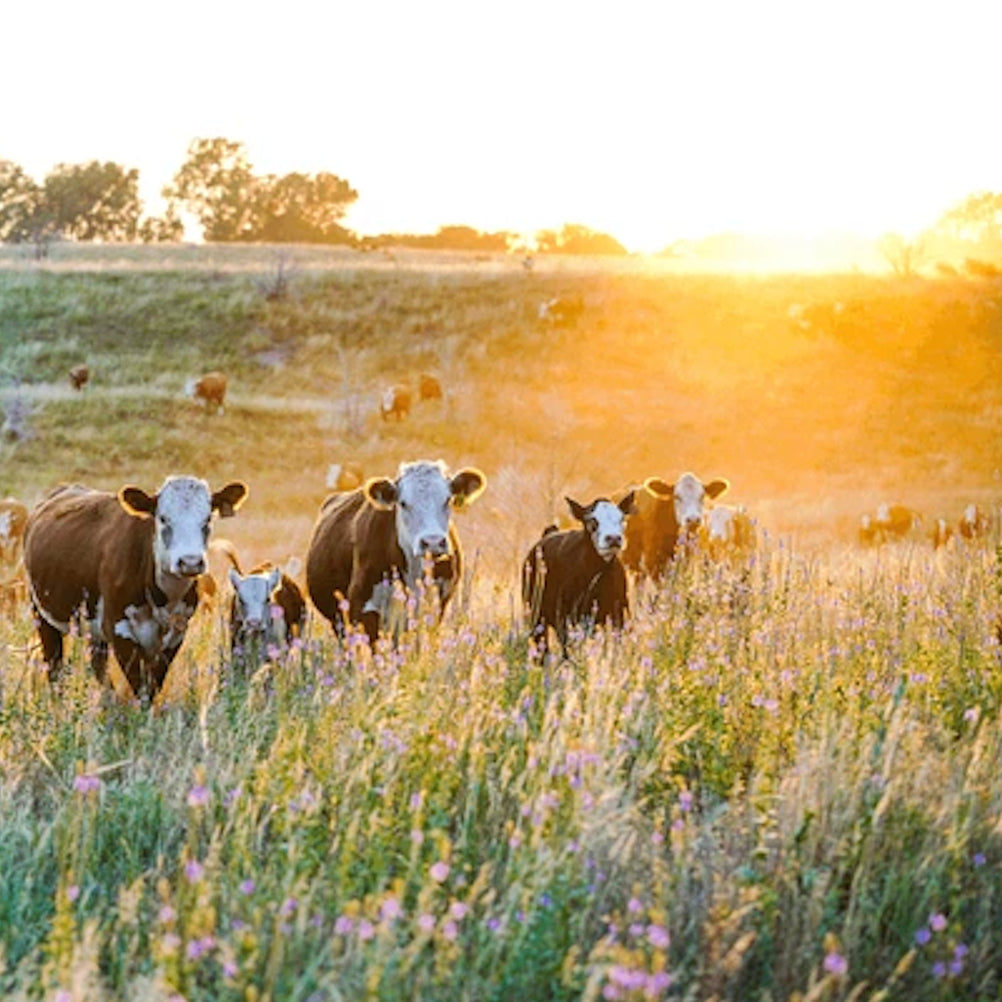
Avoid building a grazing mix like a showy flower garden. A pasture has to recover after hoof traffic, grazing, drought, and repeated use. Start with a strong grass base, add forbs that can tolerate competition and grazing, and manage the stand with rotation and adequate rest. If you want a ready-made starting point, our Native Pasture Mix in the Native Mixes Store is built around that practical balance of forage, resilience, and native habitat value.
Other Resources
Shop Native Pasture Mix

Blog The Best Midwest Natives Grasses and Forbs for Pasture

Blog Why Prairie Is BY FAR The Best Diet For Your Livestock

Blog Why Native Pasture is Your Farm's Most Resilient Investment

Podcast Ep. 276 What The Expert Says About Grazing Native Pasture w/ Dr. Patrick Keyser

Podcast Ep. 242 How to Graze Your Cattle on Native Plants

Podcast Ep. 372 Grazing Cattle, Bison, Sheep and Goats on Prairie (Elizabeth Steele, Hamilton Native Outpost)
Have more question about this?
the prairie farm FORUMWant to purchase your own prairie?
Shop Native Mixes