
Wildlife
What do I plant to get more pheasants?
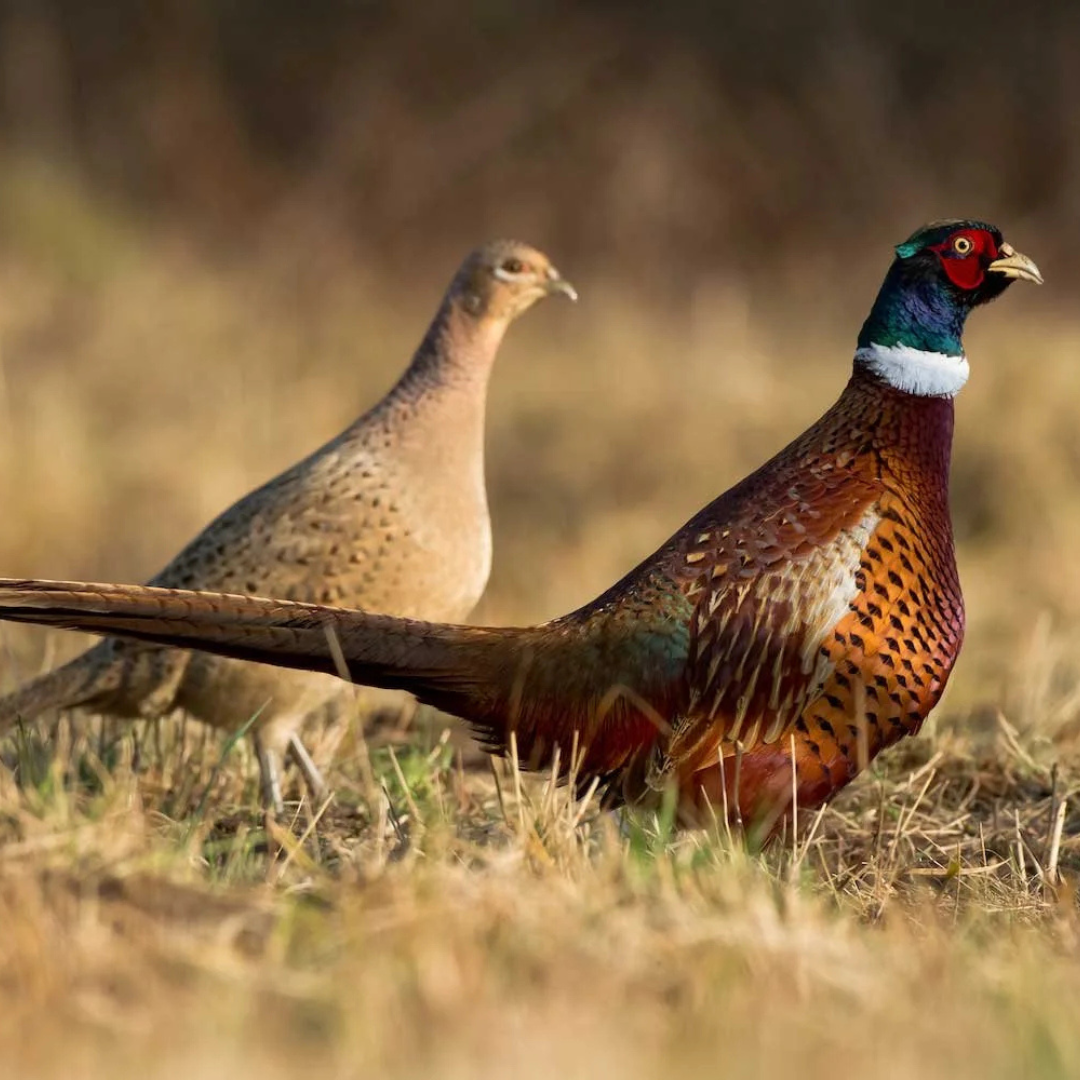
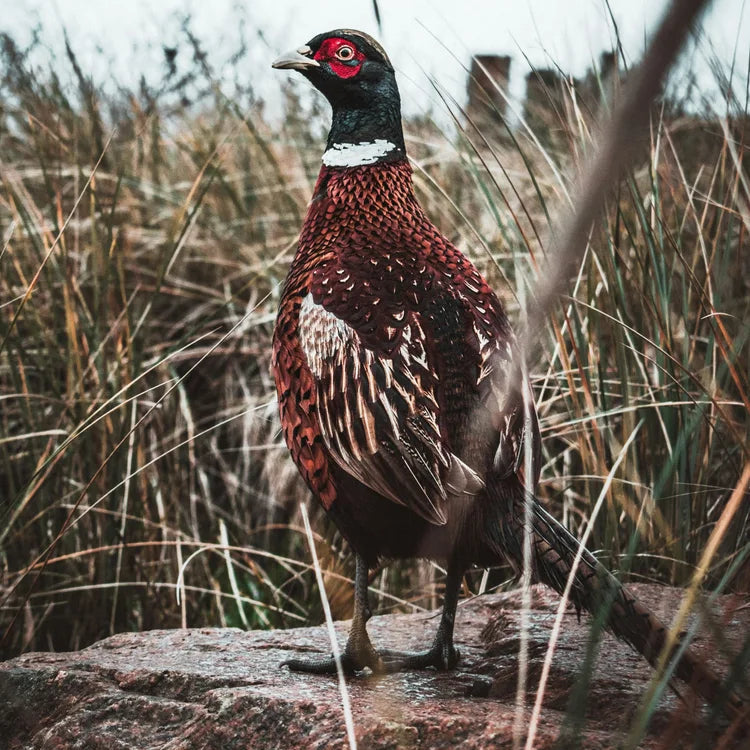
If you want more pheasants, do not start with the food plot. Start with habitat structure. Pheasants need nesting cover, brood-rearing cover, winter cover, and food close enough together that they can survive without burning unnecessary energy or exposing themselves to predators. A few strips of cover in a sea of crop ground can hold birds, but larger blocks of native habitat usually do more for the population because they increase carrying capacity and spread nesting across more acres.
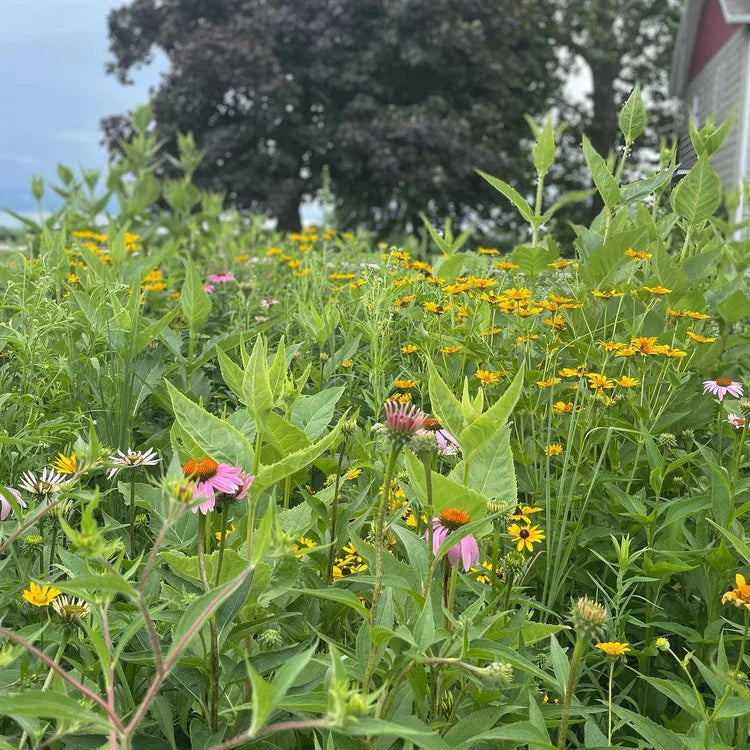
A strong pheasant planting should include a mix of native warm-season grasses and wildflowers. Grasses such as big bluestem, indiangrass, switchgrass, little bluestem, and sideoats grama provide nesting and winter structure. Forbs such as black-eyed Susan, partridge pea, Illinois bundleflower, purple prairie clover, wild bergamot, coneflowers, milkweeds, asters, goldenrods, and blazing stars help create brood habitat by attracting insects. That insect life is critical for chicks. A clean stand of grass may look like cover, but a diverse prairie with flowers is usually better brood-rearing habitat.
Winter cover matters a lot, especially for hens. The birds that make it through January and February in good shape are the birds that enter spring ready to nest. Tall native grasses, cattail-type cover where appropriate, shrubby edges in moderation, and strategically placed food can all help. Sorghum is a useful food plot option because it can provide both food and cover, and standing corn can provide easy calories. The key is proportion. Food plots should accent good native habitat, not replace it. In much of the Midwest, there is already plenty of food on the landscape. What is often missing is safe nesting, brood, and winter cover.
Avoid designing pheasant habitat as nothing but narrow creek corridors or skinny fencerows. Predators use those same travel lanes, and nests become easier to find. If you can build wider blocks of prairie, connect cover thoughtfully, and add small food sources without sacrificing native habitat, you give pheasants a much better chance.
The last thing to consider is a perennial foodplot. This is a simple pollinator prairie blend. The flowers bring insects for the birds to feed, but also the seeds are edible for the birds during the winter. You will likely want this with shorter grasses in it. Don't plant this mixed in with your structural mix. The tall grasses will start to take over and crowd out forbs.
If you want to create amazing pheasant habitat. They need tall structure and they need another area for feeding that involves lots of insects. A sorghum food plot doesn't hurt, but it is no replacement for a pollinator mix.
Other Resources
Have more question about this?
the prairie farm FORUMWant to purchase your own prairie?
Shop Native Mixes